Day One, Four Times Over
Standing up a DevOps foundation for Nirofy, Saney, Fynex, and Coursemira starting today.
Four repositories, four blank pipelines, four kickoff calls on the same calendar week. That's how this one started. Today we're opening the first commits on new DevOps engagements with Nirofy, Saney, Fynex, and Coursemira, and rather than write four nearly identical posts, we wanted to talk about what these projects have in common, why we're structuring them the way we are, and where each one will inevitably go its own way.
Why we're starting here
We've inherited enough platforms to know how this usually goes. A team ships fast for the first six months, growth shows up, and suddenly someone is writing deploy scripts at 11pm because the last release took down checkout. DevOps gets treated as a fire extinguisher, something you reach for once the kitchen's already smoking, instead of something you build into the kitchen in the first place.
We're doing it the other way around with all four of these teams. Before a single customer-facing feature ships, we want the pipeline, the infrastructure, and the observability already in place boring, working, and unremarkable. Good DevOps mostly doesn't announce itself; it just means nobody's paging anyone at midnight over something automation should have caught.
It's a slower-feeling start, if we're honest about it. There's no flashy feature to show in week one just a green checkmark on a pipeline nobody outside engineering will ever look at directly. But that checkmark is the whole point. It's the difference between a platform that was built to be operated and one that just happens to be running.
What we're actually building
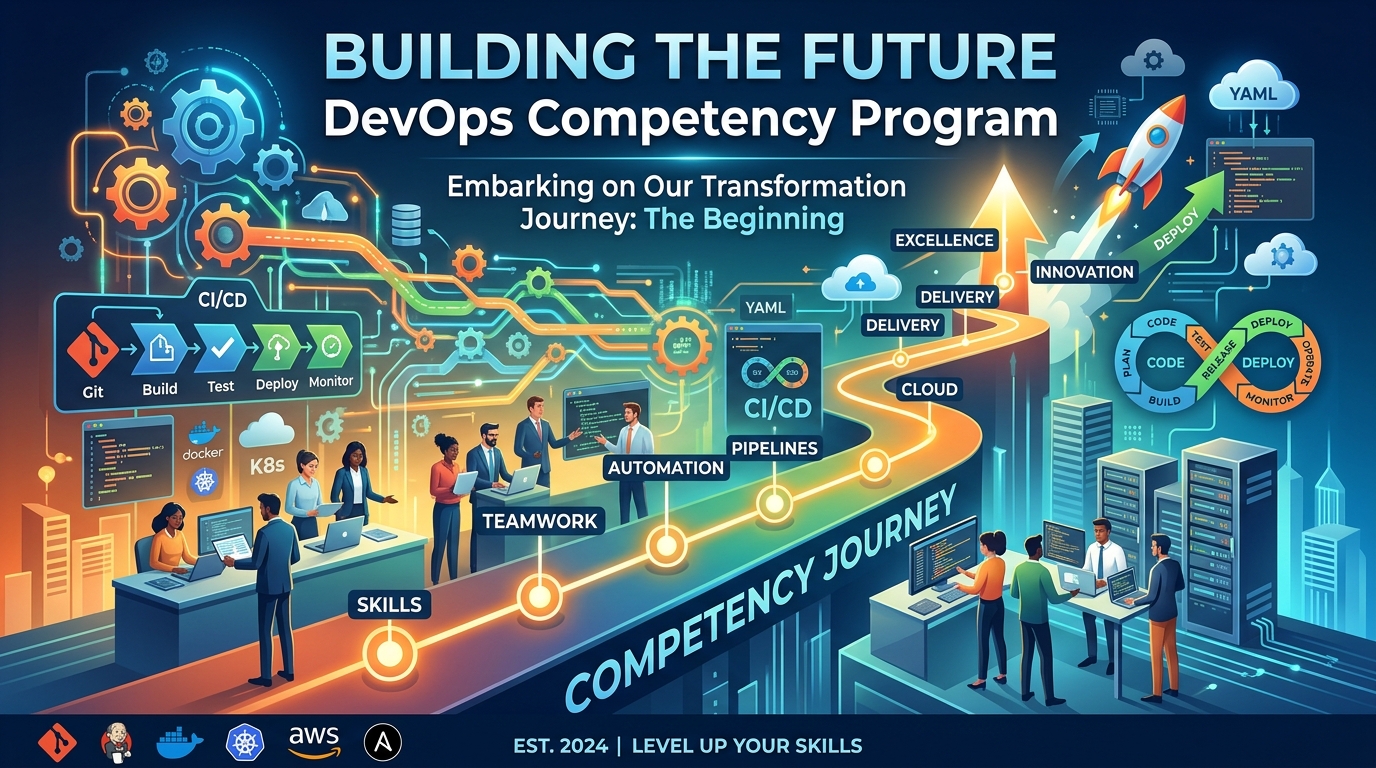
The specifics will diverge Coursemira's traffic patterns look nothing like Fynex's, and Saney's compliance requirements aren't Nirofy's but the foundation we're pouring for all four clients is the same five things:
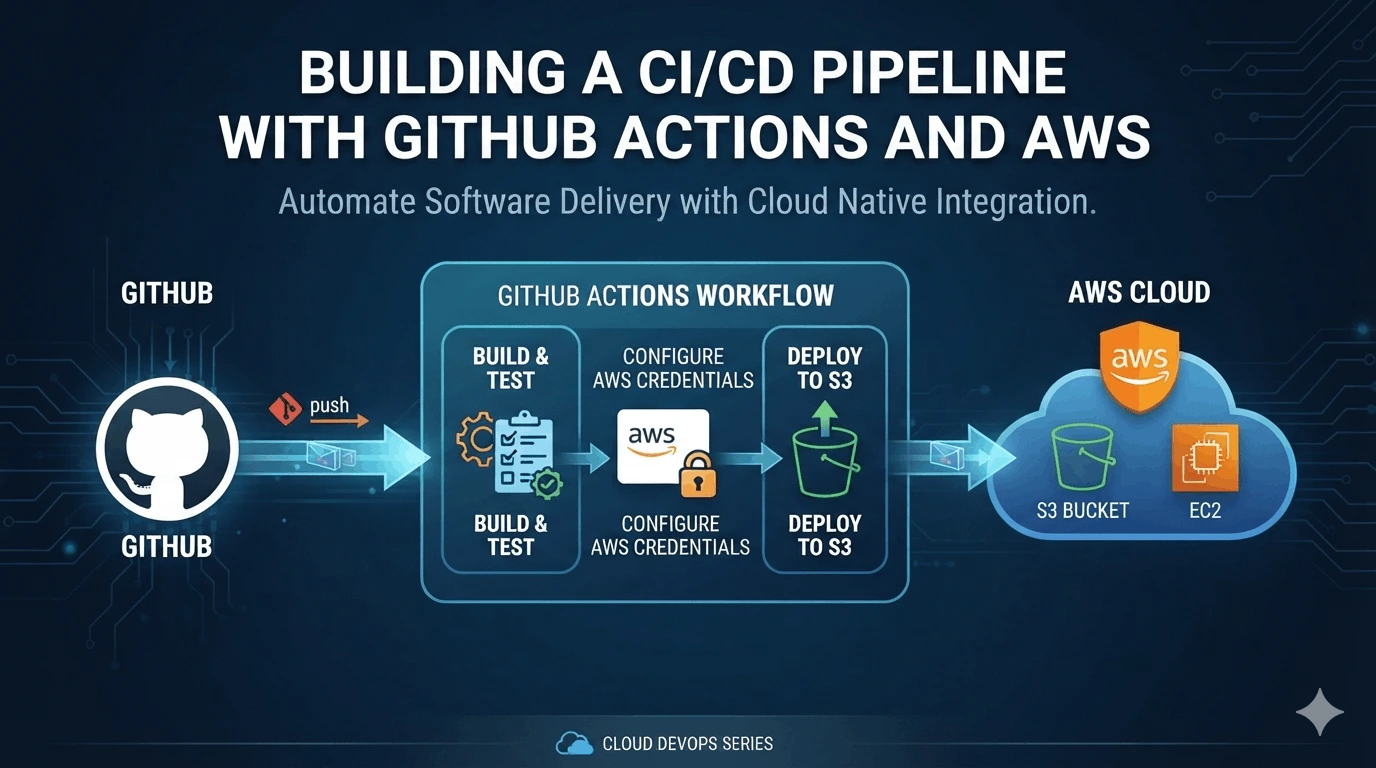
CI/CD. Every commit becomes a tested, deployable artifact automatically. No more "did anyone run the tests before merging" the pipeline runs them, every time, without being asked.
Infrastructure as Code. Environments defined in Terraform, not clicked together in a console at 2am and never documented. If an environment needs rebuilding, it's a pull request, not archaeology.
Containers and orchestration. Docker for packaging, Kubernetes for running it at scale, so "works on my machine" stops being a punchline and becomes just... true, everywhere.
Observability. Logging, metrics, and tracing are wired in while the system is still small enough to fully understand so when it isn't small anymore, the visibility already exists.
Security, by default. Dependency scanning, secrets management, least-privilege access running in the pipeline itself, not held up as a separate review that delays every release.
What this actually buys each client
None of this is exciting on its own; nobody demos a Terraform module to their board. But it compounds. Features ship in days instead of waiting on a release manager's calendar. Infrastructure costs stop being a mystery line item because the environment that's running is the environment that's documented. And when something does go wrong because something always eventually does the team spends minutes finding the cause instead of hours guessing at it.
The version of this that matters most, though, is the one that's hardest to put a number on: whoever gets hired six months from now inherits a system they can actually reason about, instead of a set of habits that live only in one engineer's head.
Where these four will differ
We said the foundation is shared, and it is but we're not running one template across four unrelated businesses and calling it done. Coursemira's rollout will lean harder on autoscaling, given how spiky course-launch traffic gets. Saney's early weeks will spend more time on access controls and audit logging than the others will need. Fynex and Nirofy are starting from different baseline maturity, so their first milestones won't land in the same week even though the work started on the same day. The pillars are consistent across all four; the sequencing, the priorities, and the pace are not and that's by design, not an oversight.
What's next
Over the coming weeks we'll be in each team's environment assessing what's already there, standing up the first CI/CD pipeline, and laying the infrastructure-as-code groundwork underneath it. We'll post again as real milestones lands first pipeline green, first environment provisioned entirely from code, first fully automated production deploy for each of the four, as they actually happen rather than on a fixed schedule.
For now, it's day one. Four blank pipelines, four teams, and a foundation we're glad to be pouring before anyone needs it in an emergency.